Most referral follow-up relies on phone calls no one has time to make. Automated status updates recover the referrals that fail silently.
A referred patient who has not booked within a couple of days probably never will. Most front desks do not reach the follow-up call until day three, and by then the referral slip is in a coat pocket or a kitchen drawer and the patient has quietly decided the problem is not urgent enough to act on today.
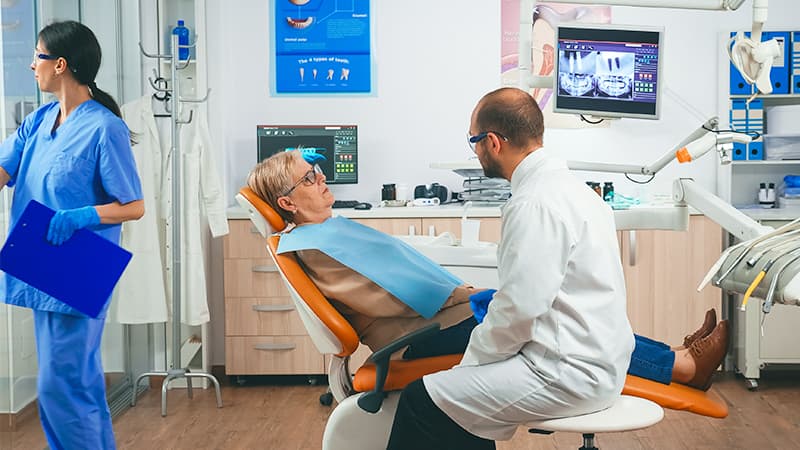
That timing problem is the single largest reason referrals fail. Picture the front desk at an oral surgery practice on a Monday. Fourteen referrals came in last week from three GP offices. The first task is confirming which patients called to schedule, which means phoning each referring office one by one. By lunch, six are reached. The other eight roll to Tuesday, when four new referrals arrive on top of them. The calls compete with patients standing at the window, insurance to verify, and a phone that rings every three minutes. Some patients get seen. The desk never quite catches up.
Why timing beats volume
It is not the number of referrals that decides the outcome. It is how fast someone follows up.
The longer a referred patient waits to call, the less likely they ever do. Surveys reported through DentistryIQ found that patients given a paper referral and told to call the specialist fail to do so 30 to 40 percent of the time. The patients most likely to need specialist care are often the most likely to put it off.
Most manual follow-up lands on day three or later, which is past the point where the patient was most ready to act.
Why manual follow-up fails as a system
The problem is not effort. Front desk staff work hard and care about filling the schedule. The problem is structural. Manual follow-up means outbound calls during business hours from a team already stretched thin on inbound calls from patients, insurers, and other offices.
Dental practices miss a large share of incoming calls, with some reporting rates well above half, and most missed callers never call back (DCM Moguls, 2026). Every 30 minutes a coordinator spends on outbound follow-up is 30 minutes of incoming calls going to voicemail. The math fights itself. More outbound follow-up means fewer answered inbound calls, and inbound calls are how new patients actually schedule.
The GP side has its own version. The referring office has moved on and has no way to see whether the specialist received the referral or whether the patient called. Their only option is to phone and ask, and that call rarely happens until the patient turns up months later with the same unresolved problem. There is a liability edge to this too. An estimated half of malpractice complaints against dentists trace back to miscommunication about treatment, including specialist referrals (The Dentists Insurance Company, via DentistryIQ). A referral that disappears is not only a scheduling gap. It is a documentation gap.
A referred patient who has not booked within a couple of days probably never will.
What "automated" actually means here
Simpler than most offices expect. No chatbot. No AI making phone calls. In the dental referral context, automation means notifications triggered by status changes in the referral lifecycle.
When a GP sends a referral through a HIPAA aligned platform, three things happen without anyone dialing a phone. The specialist's office receives the case with notes and imaging attached. The patient gets a notification with the specialist's contact information and the reason for the referral. The GP's record updates to show the referral was sent and received.
If the patient has not booked inside the follow-up window, a second prompt fires. If the specialist marks a consult scheduled, the GP sees it without a call. If the case stalls, both offices see where it stalled and for how long. That is the whole idea: replace the phone-call loop with visible, timestamped status both offices share. The referral stays alive in a system instead of dying in someone's voicemail.
What the math looks like
For a specialist taking 20 referrals a month at a $2,500 average case value, every recovered referral is real production walking back through the door. One additional case converted a month is $30,000 a year. At $299 a month, the platform pays for itself if a single referral a month is saved that would otherwise have been lost. Most practices that close the follow-up gap save more than that.
What shared visibility replaces
CaseLink tracks referrals through six stages: Referral Received, Patient Outreach, Consultation Scheduled, Consultation Completed, Treatment Accepted, and Treatment Declined or Archived. At each transition, both the GP and the specialist see the update.
The GP stops calling to ask whether the patient showed up, because the answer is on the screen. The specialist stops calling to report outcomes, because the GP can already see the status and read the notes. Each step that used to need a phone call now happens through the platform with a timestamp and a record.
The GP side is free. The specialist pays $299 a month, with 10 percent off annual billing. CaseLink is HIPAA aligned, with end-to-end encryption and audit logging on every case.
For a practice where follow-up calls are a daily grind and leakage is a known problem, the shift is structural. The calls were a symptom. The real issue was that no shared system existed between offices. Once both sides see the same case at the same time, the follow-up loop closes on its own.
The cost of not measuring
Most specialist practices know they lose referrals. Few know how many or at which stage. Without a system tracking status from GP decision to specialist chair, the loss is invisible. It shows up as a slow month, a scheduling gap, or a vague sense that the phone is quieter than it should be.
If your practice still tracks referrals with phone calls and printed lists, the work is getting done. The patients who slip past the follow-up window before anyone picks up the phone are not.
Start with a free GP account or a specialist subscription at app.caselink.net.
Frequently asked questions
What does automated dental referral follow-up actually do?
It sends triggered notifications at each stage of the referral lifecycle. When a GP refers, the specialist receives the case immediately and the patient gets a prompt to schedule. If the patient has not booked inside the follow-up window, a reminder fires. Both offices see status updates without phone calls.
How much time does manual follow-up take?
Front desk staff at specialist practices commonly spend 30 to 60 minutes a day on follow-up calls to referring offices and patients. That time competes directly with answering incoming calls and managing the schedule.
Does automating it require new staff or hardware?
No. It replaces outbound calls with triggered notifications through a web platform. CaseLink runs in any modern browser. The front desk still manages patient interactions, but the follow-up loop runs through the platform instead of the phone.
Is there really a window after which referrals rarely convert?
Yes. Industry observation puts the window at roughly 48 hours: past that, a referred patient who has not booked is far less likely to ever book. The precise threshold varies by patient and specialty, but speed of follow-up consistently tracks with completion.
Is CaseLink HIPAA aligned?
Yes. End-to-end encryption, audit logs, and Business Associate Agreements available to subscribed specialists.
How much does CaseLink cost?
Free for general dentists. Specialists pay $299 a month with 10 percent off annual billing. Enterprise pricing is available for DSOs and multi-location groups.